Showing posts with label fertility diet. Show all posts

10/6/15

Folic Acid and TTC

Folic Acid is recommended for every woman in her childbearing years before she starts trying to conceive. Many doctors will recommend that a woman take a prenatal vitamin enriched with Folic Acid at least three months prior to conception. This will help protect the growing baby against such medical issues as neural tube defects before a woman even knows she’s pregnant.

For many women, eating fortified foods enriched with Folic Acid just isn't enough. To reach your recommended levels, you will also likely require a vitamin supplement. So when you’re thinking about your "baby making kit," don’t forget to pack your Folic Acid pills.

If you have MTHFR, like I do (C677 double mutation), I have to take a special vitamin to get my folic! Feel free to message me and I can let you know what I recommend! :)


Source-Fertilityauthority

4/4/15

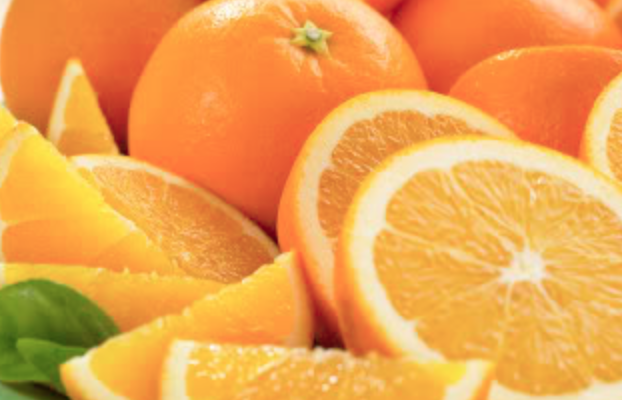
Oranges and Fertility

Oranges can help with ovulation, who knew? They are rich in folate, and can help encourage the release of an egg. They also have a lot of folate, which is a form of folic acid that can help women get pregnant and also has the effect of reducing abnormalities in mens sperm.

Other citrus fruits are also helpful for ovulation, such as lemons, tangerines and grapefruits! Try to get over 600 mcg a day!!  Delicious and good for your fertility diet!! thefertilegarden.com

9/18/14

Tomatoes and Male Fertility

Who knew that tomatoes helped with fertility?? Use your summer bounty to help your hubby increase his sperm count!

Did you know...

  • Tomatoes contain lycopene, which can help increase sperm count by up to 70%! 
  • Lycopene can help improve sperm count and motility, and can reduce the count of abnormal sperm!


3/8/14

Boosting your odds of conceiving!

Check out this great tips from abcnews regarding boosting your odds on getting pregnant!!

#fertility #hope

1. Kick your soda addiction
2. Go to bed early
3. Be a better brusher
4. Exercise, but not too much
5. Don't let him turn into a couch potato
6. Get a handle on chronic anxiety
7. Try giving up gluten
8. Encourage him to lose weight
9. ...And quit smoking
10...And move his phone


http://abcnews.go.com/Health/Wellness/10-ways-boost-odds-pregnant/story?id=22649608

12/3/13

Fish in your "Fertility Diet"

Eat fish
If reports of high mercury levels have you skipping seafood, it's time to reconsider. Fish have essential fats called omega-3 fatty acids, which your body needs for optimal fertility – and seafood is the best source.
Omega-3s are important for a baby's brain and eye development and have many other pregnancy-related benefits, including lowering your risk of preterm birth, reducing your chance of preeclampsia, and easing depression. It's important to get omega-3 fatty acids from food because your body doesn't make them.
Omega-3 fatty acids can be found in a variety of marine- and plant-based sources. Just remember that the omega-3s in seafood have long-chain fatty acids that plant-based omega-3s (like walnuts and flaxseed) don't. To get the most out of omega-3s, eat cold water fatty fish like salmon, tuna, sardines, or herring a couple of times a week.
Still, it's hard not to worry about mercury contamination in fish. Mercury is toxic to a developing fetus and can linger in a woman's bloodstream for more than a year.
The good news is that not all fish contain the same amount of mercury. The U.S. Food and Drug Administration (FDA) says that women trying to conceive can safely eat up to 12 ounces (roughly two entrées) a week of low-mercury fish, such as shrimp, canned light tuna, salmon, or catfish.
The FDA advises avoiding canned albacore (white) tuna as well as fresh or frozen swordfish, tilefish, king mackerel, tuna steaks, shark, orange roughy, Spanish mackerel, marlin, and grouper because they have the highest mercury levels.
Check out our article on fish safety for more advice on finding your way through the mercury maze.
If you don't like the taste of fish, try fish oil supplements. But be sure to talk to your healthcare provider first to find out how much you need to take.


http://www.babycenter.com

1/10/13

National Folic Acid Awareness Week


January 6-12, 2013 is National Folic Acid Awareness Week and January is National Birth Defects Prevention Month.
What's the link between the two, you might ask?
Getting the recommended amount of Folic Acid while pregnant is important to protect your baby against neural tube defects and promote healthy cell and tissue development. To boost your chances of having a healthy baby, here’s what you need to know about folic acid:
  • Folic acid should be integrated into your TTC plan right from the start as some of the most crucial fetal development occurs very early in the pregnancy. Current research recommends 400 micrograms of folic acid daily.
  • Folic acid can be found in leafy green vegetables like spinach, in orange juice, and is also available as a supplement. Because your diet does not typically deliver the appropriate amount of folic acid, you should consult your fertility doctor about taking prescription or over the counter folic acid supplements.
  • Folic acid, in appropriate doses, can reduce risks of spinal cord damage (spina bifida) or brain development complication by up to 70%.
By improving your health via diet, exercise, and taking vitamin supplements, you'll decrease your chance of miscarriage as well. So follow mom's advice and eat your greens!


Click here to visit FertilityAuthority.com >>>

8/3/12

Fertility and Eating Fish?


The fresh seafood of summer is one of the benefits of suffering through these heat waves. There’s nothing better than a trip to the coast and enjoying your favorite fish or shrimp or oysters …
Unfortunately, while it is a healthy food and an important source of primary nutrients such as omega-3 fatty acids, it can also be contaminated with mercury, a dangerous toxin that is not something you want in your body when you’re trying to conceive. A recent study from the University of Albany has found that even low levels of mercury can be harmful to IVF pregnancies. And while more studies are needed to determine if lower level guidelines should be set, the Food and Drug Administration (FDA) does already have advice for women who may become pregnant, pregnant women, nursing mothers and young children.
The FDA recommends avoiding some types of fish and eating fish and shellfish that are lower in mercury. Following three recommendations can reduce your exposure to mercury’s harmful effects:
  • Do not eat shark, swordfish, king mackerel, or tilefish because they contain high levels of mercury.
  • Eat up to 12 ounces a week of a variety of fish and shellfish that are lower in mercury. These include such fish as shrimp, canned light tuna, salmon, pollock and catfish. Note: albacore (white) tuna has more mercury than canned light tuna.
  • Check local advisories about the safety of fish caught local lakes, rivers and coastal areas. If no advice is available, eat up to 6 ounces per week of fish you catch from local waters, but don't consume any other fish during that week.
from fertilityauthority.com

7/10/12

Fertility and Avocado


When we were having fertility issues, I went to an acupuncturist. She told me to eat lots of avocado.... at first I wondered why, but I didn't mind at all, I LOVE avocado! I just saw this link from the Fertility Authority, interesting! I remember her telling me that they had all the good fats, and I loved having "permission" to eat such a decadent food. Now this was something I didn't mind doing.

Ode to the Avocado

A recent study has found that good fats — the monounsaturated kind such as those found in avocados — are good for fertility treatment, actually increasing the live birth rate for those undergoing in vitro fertilization (IVF). This is great news for those of us who love the green fruit! (And yes, it's a fruit, not a vegetable — in Brazil, they add avocados to ice cream!)

The avocado is packed full of nutrients, including vitamin K, folate, potassium, vitamin E, lutein, magnesium, vitamin C and vitamin B6. And each serving of avocado has 3 grams of monunsaturated fat, which helps to lower blood cholesterol if used in place of saturated fats.

Here's a healthy guacamole recipe from the California Avocado Commission:

4 ripe, Fresh California Avocados, seeded and peeled
2 Tbsp. lemon juice
1 clove garlic, crushed
1 tomato, finely chopped
¼ cup finely chopped onion
⅛ tsp. ground cumin
3 drops hot pepper sauce

Coarsely mash avocado with lemon juice and garlic. Mix in other ingredients. Enjoy! (With baked tortilla chips, of course!)

from:
http://www.fertilityauthority.com/

2/27/12

Cherries for Fertility?


Yes! Cherries can be very beneficial for your overall health, and fertility! I have been told it is especially good to eat a lot of cherries after your egg retrieval, through to your test. Nutritional value of cherries help the body to fight many infections, and increase the body's resistance mechanisms.

Anthocyanins: A powerful antioxidant, anthocyanins is found abundantly in the cherries. Cherries are the richest source of anthocyanins 1 and 2, that give them their ruby rich color. These beneficial compounds provide the body with a unique combination of antioxidants that are full of anti-inflammatory properties.
Fiber: About ten raw sweet cherries will provide the body with 1.4 grams of fiber, that is nearly 10 percent of the recommended daily amount (RDA). A good level of fiber in the body aids in better digestion, by preventing constipation.
Potassium: Cherries are extremely high on dietary potassium. One can get approximately 260 mg of potassium for every cup (100g) of fresh cherries consumed. Adequate potassium reduces the risk of hypertension and stroke, while promoting the heart and kidneys to function properly.
Melatonin: Cherries are a rich food source of the hormone melatonin. Melatonin promotes healthy circadian rhythm and sleep patterns.
Essential Vitamins: One cup of sweet cherry eaten raw without the pits, can provide the body with 18 percent of the RDA, ie 10.8 mg of vitamin C. The fruit also contains beta carotene, and other important vitamins: vitamin A, vitamin B6 and vitamin K. These vitamins are essential for collagen formation of blood vessels, blood, muscles and bones.
Phytosterols: Phytosterols, also known as plant sterols occur naturally in cherries. 100 gms contain 18.5 mg of sterols that help to reduce 'bad' cholesterol levels (LDL) and lower the risk of cancer, and stimulate the immune system.
Boron: 100 gms of raw tart cherries supply the body with approximately 396µg (microgram). Boron increases bone health; formation and recuperation, and reduce bone inflammation.
Other Minerals: Although in small quantities cherries also contain folate (iron), calcium, copper, zinc, manganese, magnesium and phosphorus. All these mineral play vital roles in boosting the immune system and keeping the body's fitness levels high.

7/6/10

Cherries for Fertility?

Cherries Pictures, Images and Photos

Yes! Cherries can be very beneficial for your overall health, and fertility! I have been told it is especially good to eat a lot of cherries after your egg retrieval, through to your test. Nutritional value of cherries help the body to fight many infections, and increase the body's resistance mechanisms.

Anthocyanins: A powerful antioxidant, anthocyanins is found abundantly in the cherries. Cherries are the richest source of anthocyanins 1 and 2, that give them their ruby rich color. These beneficial compounds provide the body with a unique combination of antioxidants that are full of anti-inflammatory properties.

Fiber: About ten raw sweet cherries will provide the body with 1.4 grams of fiber, that is nearly 10 percent of the recommended daily amount (RDA). A good level of fiber in the body aids in better digestion, by preventing constipation.

Potassium: Cherries are extremely high on dietary potassium. One can get approximately 260 mg of potassium for every cup (100g) of fresh cherries consumed. Adequate potassium reduces the risk of hypertension and stroke, while promoting the heart and kidneys to function properly.

Melatonin: Cherries are a rich food source of the hormone melatonin. Melatonin promotes healthy circadian rhythm and sleep patterns. 

Essential Vitamins: One cup of sweet cherry eaten raw without the pits, can provide the body with 18 percent of the RDA, ie 10.8 mg of vitamin C. The fruit also contains beta carotene, and other important vitamins: vitamin A, vitamin B6 and vitamin K. These vitamins are essential for collagen formation of blood vessels, blood, muscles and bones.

Phytosterols: Phytosterols, also known as plant sterols occur naturally in cherries. 100 gms contain 18.5 mg of sterols that help to reduce 'bad' cholesterol levels (LDL) and lower the risk of cancer, and stimulate the immune system.

Boron: 100 gms of raw tart cherries supply the body with approximately 396µg (microgram). Boron increases bone health; formation and recuperation, and reduce bone inflammation.

Other Minerals: Although in small quantities cherries also contain folate (iron), calcium, copper, zinc, manganese, magnesium and phosphorus. All these mineral play vital roles in boosting the immune system and keeping the body's fitness levels high. 


7/1/10

Fertility Health Drink

This is a surprisingly yummy drink. It includes many super fertility ingredients for enhancing your fertility! Drink this everyday when you put on your fertility bracelet! :)

Fertility Health Drink
1 shot of frozen wheat grass
1/4 cup POM juice
1/2 cup Simply Orange juice
1/4 cup organic carrot juice
1 chunk of fresh ginger
1 tsp ground flax seed
1 scoop vanilla whey powder
handful frozen blueberries

Puree in blender til mixed. Enjoy! Tastes like a dreamsicle!

orange dreamsicle Pictures, Images and Photos

6/27/10

Carrot Juice for Fertility??

fresh! 100% carrot & apple juice Pictures, Images and Photos

Costco has a great organic carrot juice that comes in a 3-pack. Now, this is not something we can drink by itself, but like to add it to a POM juice and wheat grass smoothie. We've recently read online that it can help you nutritionally with fertility! Here are some facts:

Carrot is one of the most healing foods that provides the finest and highest quality in nutrients, especially from its juice. It is an excellent source of pro-vitamin A, vitamins C, D, E, K, B1 and B6.

It is rich with biotin, potassium, calcium, magnesium, phosphorus, organic sodium and some trace minerals.

The known phytonutrients in carrots are lutein, lycopene, anti-oxidants alpha, beta and gamma carotenes, zeaxanthin and xanthophyll. You don't need to remember these fancy names, but just remember that phytonutrients are nature's marvelous provision for healing of various diseases.


Carotenes, the famous ingredient in carrots, is an anti-oxidant that has powerful healing virtues for many diseases. Drinking a glass of carrot juice daily will do much more for you than many bottles of supplement tablets.


One of the reasons for infertility is lack of nutrients and enzymes in your dietary. Carrot juice taken regularly, is able to nourish your body back to fertility.


We here at The Fertile Garden say, why not try it??


6/2/10

Foods to improve sperm count

5 Foods That Increase Sperm Count, Production, and Motility

1. Red peppers, carrots, oatmeal, dried apricots. 

2. Asparagus, snow peas, cooked tomatoes, strawberries.

3. Turkey, eggs, seafood, oysters, pumpkin seeds.

4. Leafy green veggies, avocados, beans, whole grains. 

5. Salmon, sardines, anchovies, walnuts